Trustworthy Electrical Specialist Offerings for Protected and Optimized Household Electrical Installation
Reliable electrical services play an critical role in maintaining the well-being and efficiency of home wiring. These professionals guarantee compliance with safety standards, decreasing the risk of dangers like electrical fires. Homeowners frequently overlook signals that suggest the need for qualified assistance. Recognizing these signals is imperative. What should one consider when choosing a certified electrician? The consequences of neglecting this can be significant.
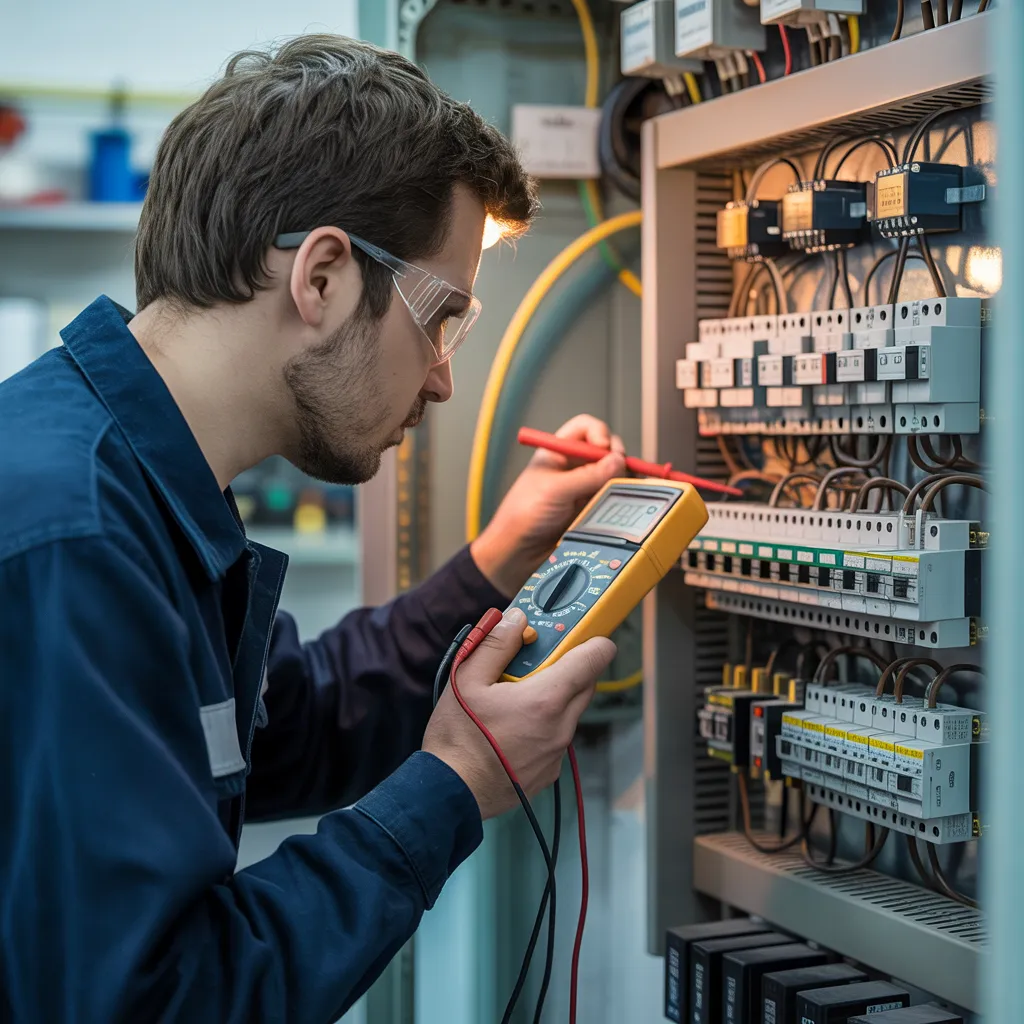
Why Experienced Electrician Services Are Critical for Your Home
Why do professional electrical experts prove essential for keeping up a functional and safe home? These services guarantee that electrical systems are installed and maintained following strict safety standards. Qualified electricians command the knowledge to tackle sophisticated electrical systems, preventing dangers such as electrical fires, electrical contact, and operational breakdowns. Their knowledge of local codes and regulations assures regulatory adherence, further protecting homeowners from potential legal concerns.
Furthermore, professional electricians can detect problems in existing systems, suggesting improvements that enhance power conservation and lower electricity bills. They are equipped to troubleshoot problems quickly, reducing interruptions and returning systems to operation. By investing in professional services, homeowners achieve confidence knowing their electrical systems are secure, dependable, and fine-tuned for optimal operation. In the end, working with skilled electricians enhances not only security but also the general standard of living within the residence.
When You Should Call a Licensed Electrician
Knowing when to reach out to a licensed electrician can avoid minor issues from becoming major problems. Homeowners must be watchful to various key signs pointing to the need for professional help. Frequent circuit breaker trips often suggest overloaded circuits or defective wiring. Flickering lights might indicate hidden electrical problems that need prompt attention. Moreover, any signals of burning odors or scorch marks around outlets are serious alerts that should not be overlooked.
A further clue is a jump in energy costs absent any apparent cause, which may suggest system problems or malfunction. If there are non-responsive outlets that remain unresponsive after repairs attempted, it is necessary to speak with an expert. Finally, any DIY electrical undertakings that appears overwhelming or unfamiliar to you should be tackled by a licensed professional electrician to confirm safety and adherence with local regulations. Timely action can protect both the inhabitants and structure.
How to Locate the Suitable Electrician for Your Budget
Picking the right electrician can seem overwhelming, but several critical elements can simplify the process. First, verify credentials and licenses, validating the electrician meets local regulations and standards. This confirmation is crucial for safety and peace of mind. Next, think about background; electricians with a proven track record in home electrical systems typically manage problems more productively.
Furthermore, requesting recommendations from friends or web-based feedback can deliver valuable insights into the electrician's reliability and quality of work. It's also prudent to ask regarding guarantees on work and products, as this indicates confidence in their work.
In closing, provide clear exchange regarding project plans and goals. An electrician who heeds concerns and addresses questions is more prone to deliver satisfactory results. By focusing on these core aspects, homeowners can make informed options and find an electrician who meets their specific needs effectively.
Examining Expenses for Electrical Solutions
How can property owners effectively assess expenses for electrical work? To start, they should request several quotes from qualified electricians, ensuring a variety of cost alternatives. This method allows for comparison and a better understanding of market rates. Property owners should ask regarding the pricing structure, which may include per-hour charges or flat project costs, in addition to any additional costs for supplies or permits.
Next, it's fundamental to establish what is encompassed in the estimate, as precise quotes can avert unexpected expenses. Homeowners should also consider the electrician's experience and credibility, as lower prices may sometimes evidence lesser quality. Additionally, researching local average costs for particular offerings can furnish a reference for evaluating estimates. Finally, homeowners should be alert to prices that seem unusually low, as they may point out subpar service or hidden charges. By following these steps, homeowners can establish sound decisions regarding their electrical service needs.
Recommendations for Maintaining Secure and Energy-efficient Home Wiring
After assessing costs for electrical services, ensuring safe and efficient home wiring becomes a focus for homeowners. Regular inspections by qualified electricians can identify potential hazards, such as frayed wires or outdated systems. Homeowners should also watch circuit breakers; frequent tripping may point to underlying issues that need immediate attention.
Furthermore, preventing circuit overload is essential for protection. Plugging in too many devices on a single outlet can lead to overheating and fires. Homeowners are recommended to use surge protectors to protect delicate devices from power surges.
Furthermore, ensuring unobstructed access to electrical panels and outlets assures that crises can be resolved rapidly. It is also sensible to replace any deteriorated or frayed extension cords right away. Finally, homeowners should acquaint themselves with basic electrical safety practices, strengthening overall consciousness and building a more secure home.
Advantages of Enhancing Your Home's Electrical System
Upgrading a home's electrical system offers several advantages that can significantly improve the household space. Enhanced safety standards help reduce the risk of electrical hazards, while better energy performance can lead to lower utility bills. Additionally, a updated infrastructure can improve property value, making it a wise investment for homeowners.
Enhanced Security Guidelines
As homeowners value protection, upgrading an electrical system becomes essential for cutting down risks linked begin now to old-fashioned wiring and components. Modern electrical systems adhere to strict safety standards, greatly reducing the likelihood of electrical fires, shocks, and malfunctions. By replacing old wiring, circuit breakers, and outlets, residents ensure compliance with current regulations, reducing potential hazards. New installations often feature ground fault circuit interrupters (GFCIs) and arc fault circuit interrupters (AFCIs), which provide extra degrees of protection. Moreover, an upgraded system can better support modern appliances and technology, reducing the risk of overloads. Ultimately, investing in improved safety standards not only protects residents but also contributes to long-term peace of mind about home safety and reliability.
Enhanced Power Performance
Revamping a house's electrical system may result in significant energy-saving improvements. Updating outdated wiring and installing energy-efficient fixtures lowers power consumption, reducing utility bills. Modern systems often include smart technology, enabling homeowners to monitor and regulate energy use more efficiently. Improved insulation of electrical components cuts down on energy loss, making sure that less power is wasted. Furthermore, replacing old appliances with Energy Star-rated models contributes to efficiency, since these devices are made to use less electricity. Overall, a well-maintained electrical system not only boosts performance but also encourages sustainable living, making it a smart investment for environmentally conscious homeowners. Energy efficiency upgrades ultimately produce a more pleasant and affordable living environment.
Increased Property Valuation
A contemporary electrical system greatly raises a home's valuation, making it an appealing feature for future buyers. Upgrading cabling, outlets, and fixtures not only adheres to current safety standards but also enables cutting-edge technology, such as smart home systems. Homes with updated electrical systems can achieve higher prices and sell faster, as buyers prioritize safety and efficiency. Additionally, a well-maintained electrical system reduces the risk of costly repairs, which is attractive to potential homeowners. This upgrade can also reduce insurance premiums, further enhancing the property's appeal. In conclusion, investing in an enhanced electrical system is a wise move that significantly improves a home's marketability and overall value.
Typical Electric Challenges and The Way Electricians Address Them
Common electrical issues can disrupt daily life and create safety risks. Frequent circuit breaker trips, lights that flicker or dim, and possible fire dangers from electrical systems are among the most prevalent problems homeowners face. Electricians employ various techniques to diagnose and resolve these issues, guaranteeing a safe and efficient electrical system.
Constant Circuit Breaker Trips
When homeowners encounter frequent circuit breaker trips, it often indicates underlying electrical issues that demand professional care. These trips can originate from various causes, including overloaded circuits, short circuits, or defective wiring. An overloaded circuit happens when too many devices consume power at the same time, exceeding the circuit's capacity. Short circuits happen when a live wire touches a neutral wire, creating a spikes that the breaker senses. Additionally, outdated or damaged wiring can lead to instability, resulting in recurring trips. Electricians typically assess the problem by inspecting the circuit layout and evaluating the power requirements. They may suggest reallocating devices, repairing defective wiring, or upgrading circuit breakers to ensure safety and efficiency in the home's electrical system.
Blinking or Dim Lights
Blinking or low lights regularly indicate electrical issues that may require urgent attention. Common causes include loose connections, defective bulbs, or an overloaded circuit. Technicians usually begin by checking the light fixtures and lights to verify correct placement and operation. If the bulbs are not the issue, they will search for slack cables or connections in the circuit, which can contribute to variable electrical delivery. Additionally, electricians evaluate the power usage to establish if an surplus of devices are drawing power, potentially causing dimming. Resolving these issues more than just restores consistent lighting but as well strengthens overall electrical safety in the residence, preventing further complications later on. Quick professional intervention is vital for successful correction.
Electrical Fire Hazards
Numerous homes face serious dangers from fire hazards, frequently caused by issues including old wiring, overburdened circuits, and unsafe use of extension cords. Overheating and possible ignition sources can arise due to these issues, making it important for homeowners to resolve them promptly. Qualified electricians consistently inspect wiring systems and replace outdated components to ensure compliance with safety standards. Additionally, they assess circuit loads and rebalance power usage to avoid overloads. Guidance is also given by electricians on the safe use of extension cords, making sure they are not employed as permanent fixes. Electricians play a crucial role in protecting homes from electrical fires by identifying and fixing these hazards, enhancing safety and efficiency in residential wiring.
Frequently Requested Questions
What Essential Traits Ought I to Examine in an Electrical Expert?
When seeking an electrician, one should concentrate on relevant certifications, licensing, adequate insurance, and experience. Additionally, customer reviews and adherence to safety regulations can reveal professionalism and reliability in their work.
What Approaches Can I Use to Check an Electrician's Certification and Coverage?
To confirm an electrician's license and insurance, one should communicate with the local licensing authority and obtain documentation. In addition, reviewing online sources or requesting paperwork directly from the electrician can provide further confidence of their qualifications.
Are Emergency Electrician Services Available 24/7?
Emergency electrician offerings are often accessible 24/7, delivering instant assistance for pressing electrical issues. Homeowners should verify particular availability with local providers, as hours may differ between companies and regions. Prompt action is crucial.
What Standard Coverage Apply to Electric Work?
Typical warranties on electrical services range from one to five years, based on the service provider and the specific job. These warranties generally cover workmanship and may include parts, ensuring client contentment and protection against defects.
How Should I Get My Home Ready for an Electrician's Visit?
Preparing for an electrical professional's arrival involves clearing the work area, securing easy access to power outlets and electrical panels, gathering any pertinent records, and discussing unique issues or assignment parameters beforehand for productive exchange.